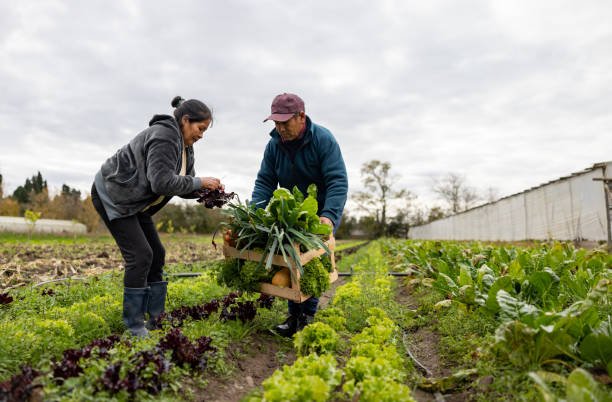
New Zealand’s booming agricultural sector is opening its doors wider than ever in 2026, offering life-changing opportunities for both skilled and unskilled workers worldwide. From dairy farms to fruit orchards, thousands of positions are expected to be filled as labor shortages continue to grow. With competitive wages, possible visa sponsorship, and a peaceful working environment, farm jobs are being seen as a practical pathway to earning abroad and building a better future. Whether experience is available or not, a chance is being created to work, learn, and potentially settle in one of the world’s most welcoming countries.
Getting Started on Many Farm Work Jobs Opportunities in New Zealand
Due to ongoing labor shortages, a consistent demand for both skilled and unskilled farm workers has been observed. Seasonal peaks, especially during harvesting periods, have further increased the need for foreign labor. As a result, structured programs and visa pathways have been introduced to attract international applicants.
It has been widely noted that farm work opportunities are available throughout the year, with both temporary and permanent roles being offered across different regions. This makes New Zealand a practical and attractive destination for individuals seeking overseas employment in 2026.
Why New Zealand Is Attractive for Foreign Workers
New Zealand has been regarded as one of the most worker-friendly countries in the world. Several factors have contributed to its appeal among international job seekers:
- Fair wages and strict labor laws are enforced to protect workers
- A safe and peaceful environment is maintained across rural and urban areas
- Opportunities for visa sponsorship and long-term settlement are provided
- Exposure to modern agricultural techniques is offered
Additionally, it has been observed that many employers in the agricultural sector are willing to train workers, making it easier for individuals without prior experience to secure employment.
Types of Farm Worker Jobs Available
Dairy Farm Jobs
Dairy farming has been identified as one of the largest agricultural sectors in New Zealand. Workers in this field are typically responsible for:
- Milking cows using automated or manual systems
- Feeding livestock and maintaining feeding schedules
- Cleaning dairy equipment and farm facilities
- Monitoring animal health and reporting issues
These roles are usually permanent or long-term and may include accommodation provided by employers.
Fruit Picking and Harvesting Jobs
Fruit picking has been widely recognized as one of the most popular entry points for international workers. These jobs are mostly seasonal and include:
- Picking fruits such as apples, kiwifruit, and grapes
- Sorting and grading produce
- Packing fruits for export
It has been observed that payment may sometimes be based on productivity, meaning workers can increase earnings by working efficiently.
Livestock Farming Jobs
Livestock farming involves the care and management of animals such as sheep and cattle. Responsibilities include:
- Feeding and watering animals
- Assisting with shearing and breeding processes
- Maintaining farm infrastructure such as fences and shelters
These roles require physical strength and basic knowledge of animal care, although training is often provided.
Poultry Farm Jobs
Poultry farming roles are also in demand and involve:
- Collecting eggs and monitoring production
- Feeding chickens and maintaining hygiene standards
- Cleaning poultry houses and equipment
These jobs are generally less physically demanding than other farm roles but still require consistency and attention to detail.
General Farm Labor Jobs
General farm labor positions cover a wide range of tasks, including:
- Repairing fences and maintaining farm buildings
- Operating basic machinery
- Assisting with planting and harvesting
These roles are ideal for unskilled workers who are willing to learn and adapt quickly.
Skilled vs Unskilled Farm Jobs
Skilled Farm Roles
Skilled farm jobs are typically offered to individuals with experience or specialized training. These include:
- Farm managers responsible for overseeing operations
- Agricultural technicians managing equipment and processes
- Machinery operators handling tractors and advanced tools
Higher salaries and long-term contracts are usually provided for these roles.
Unskilled Farm Roles
Unskilled jobs are more accessible to international applicants with little or no experience. These include:
- Fruit pickers and packers
- Farm assistants
- General laborers
On-the-job training is often provided, allowing workers to gain experience and progress to higher roles over time.
Salary Expectations in 2026
Entry-Level and Unskilled Jobs
Unskilled workers are typically paid hourly wages ranging from NZD 22 to NZD 28. During peak seasons, additional hours may be offered, increasing total earnings.
Skilled Farm Workers
Skilled workers are often paid annual salaries ranging from NZD 50,000 to NZD 80,000 or more, depending on experience and responsibilities.
Factors Affecting Salary
Several factors have been identified as influencing salary levels:
- Level of experience and skill
- Type of farming operation
- Geographic location
- Seasonal demand
Visa Options for Farm Workers
Accredited Employer Work Visa (AEWV)
This visa allows foreign workers to be employed by approved New Zealand employers. Requirements include:
- A valid job offer
- Employer accreditation
- Proof of skills and qualifications
Seasonal Work Visa (RSE Scheme)
The Recognised Seasonal Employer (RSE) scheme is designed for temporary agricultural work. It allows workers to:
- Stay in New Zealand for seasonal employment
- Work in horticulture and viticulture sectors
Working Holiday Visa
This visa is available to young applicants and allows short-term employment, including farm work. Age and country eligibility restrictions apply.
Requirements to Apply
Basic Requirements
- Valid passport
- Good health and character certificates
Skills and Experience
- Previous farm experience is beneficial but not mandatory
- Physical fitness is essential due to the nature of the work
Language Requirements
Basic English communication skills are usually required to ensure workplace safety and effective communication.
Application Process
Finding Farm Jobs
Farm jobs can be found through:
- Online job portals
- Recruitment agencies
- Direct applications to farm employers
Preparing Documents
Applicants are required to prepare:
- A simple and clear CV
- A cover letter emphasizing willingness to work
Interview Process
Interviews are often conducted online for international applicants. Some employers may request practical demonstrations for skilled roles.
Visa Application Steps
- A job offer is secured
- Visa application is submitted
- Supporting documents are provided
- Approval is granted after processing
Cost of Relocating to New Zealand
Visa and Application Fees
Visa fees vary depending on the type of visa and processing requirements.
Travel Expenses
Flight costs depend on the applicant’s country of origin.
Living Costs
- Accommodation may be provided or subsidized
- Food and transportation costs must be budgeted
Benefits of Farm Worker Jobs
- Stable income opportunities
- International work experience
- Exposure to modern farming systems
- Potential pathways to long-term employment
Challenges to Expect
- Physically demanding tasks
- Long working hours during peak seasons
- Rural living conditions
- Weather-related difficulties
Top Regions for Farm Jobs in New Zealand
Waikato Region
Known for dairy farming and large-scale operations.
Bay of Plenty
Famous for kiwifruit production and seasonal work opportunities.
Canterbury
Offers mixed farming opportunities including livestock and crops.
Otago and Southland
Known for sheep farming and colder climates.
Tips to Get Hired Faster
Apply Early
Seasonal roles are filled quickly, so early application is recommended.
Highlight Relevant Skills
Physical strength, teamwork, and willingness to learn should be emphasized.
Use Trusted Platforms
Only verified job portals and agencies should be used to avoid scams.
Be Flexible
Flexibility in job roles and locations increases employment chances.
Pathways to Permanent Residency
Farm workers may transition to long-term visas through:
- Employer sponsorship
- Skilled worker programs
- Continuous employment and experience
Comparison with Other Countries
| Country | Farm Job Demand | Salary Range | Visa Ease |
|---|---|---|---|
| New Zealand 🇳🇿 | High | NZD 22–80K | Easy–Moderate |
| Canada 🇨🇦 | High | CAD 25–70K | Moderate |
| Australia 🇦🇺 | High | AUD 25–75K | Moderate |
| UK 🇬🇧 | Seasonal | £20–40K | Moderate |
Global Demand for Agricultural Workers
Across the world, agricultural sectors have been experiencing increasing labor shortages. In developed countries such as New Zealand, this shortage has been intensified by aging local populations and reduced interest in manual farm work among residents. As a result, international workers have been actively recruited to fill these gaps.
It has been observed that New Zealand has positioned itself as one of the top destinations for agricultural employment due to its structured visa systems and worker protections. In 2026, this trend is expected to continue, with more opportunities being opened to foreign applicants.
Structure of the Farming Sector
New Zealand’s agricultural system has been structured into several major sectors:
- Dairy farming (largest contributor)
- Sheep and beef farming
- Horticulture (fruits and vegetables)
- Viticulture (wine production)
Each of these sectors has been designed to operate efficiently using both manual labor and modern machinery. Because of this, both skilled and unskilled workers are required in large numbers.
Seasonal vs Permanent Farm Work
Farm jobs in New Zealand are generally categorized into:
Seasonal Jobs:
- Short-term roles lasting 3 to 9 months
- Common in fruit picking and harvesting
- Ideal for temporary workers and first-time applicants
Permanent Jobs:
- Long-term contracts
- Common in dairy and livestock farming
- Often include accommodation and additional benefits
It has been noted that many workers initially enter through seasonal roles and later transition into permanent employment.
Work Environment and Conditions
Daily Work Routine
A typical day for a farm worker in New Zealand is structured and physically active. Tasks may begin early in the morning and include:
- Feeding animals or harvesting crops
- Cleaning farm areas
- Operating tools and machinery
- Monitoring production processes
Breaks are usually provided, and working hours are regulated under labor laws.
Working Hours and Overtime
- Standard working hours: 30–50 hours per week
- Overtime may be required during peak seasons
- Additional pay is often provided for extra hours
Workers are protected under New Zealand employment laws, ensuring fair compensation and safe working conditions.
Accommodation and Living Arrangements
Employer-Provided Housing
In many cases, accommodation is provided by employers, especially in rural areas. This may include:
- Shared housing with other workers
- Private rooms in farmhouses
- Basic facilities such as kitchen and bathroom
The cost of accommodation may either be free or deducted at a subsidized rate from wages.
Cost of Living in Rural Areas
Living in rural New Zealand is generally more affordable than in cities. Workers typically spend on:
- Food and groceries
- Transportation (if required)
- Personal expenses
Because of lower living costs, farm workers are often able to save a significant portion of their earnings.
Rights and Protections for Farm Workers
Employment Rights
All workers in New Zealand are protected by employment laws. These rights include:
- Minimum wage guarantee
- Paid rest breaks
- Safe working environment
- Protection against exploitation
Employers are required to comply with these regulations, and violations can be reported.
Health and Safety Standards
Strict health and safety standards are enforced in the agricultural sector. Workers are provided with:
- Protective equipment (boots, gloves, etc.)
- Training on machinery use
- Guidelines for handling animals safely
This ensures that risks are minimized during daily operations.
Recruitment Agencies and Job Platforms
Trusted Job Websites
Farm jobs in New Zealand can be accessed through several trusted platforms, including:
- Government-approved job boards
- Agricultural recruitment agencies
- Employer websites
Applicants are advised to verify job offers before applying to avoid scams.
Role of Recruitment Agencies
Recruitment agencies often act as intermediaries between employers and workers. Their responsibilities include:
- Matching candidates with suitable jobs
- Assisting with documentation
- Providing guidance on visa applications
In some cases, service fees may be charged, so transparency should always be confirmed.
Step-by-Step Guide to Securing a Job
Step 1: Research and Choose Job Type
Applicants are advised to select job roles that match their physical ability and experience level.
Step 2: Prepare a Strong CV
A simple CV should be created, highlighting:
- Physical fitness
- Previous work experience (if any)
- Willingness to learn
Step 3: Apply to Multiple Employers
It is recommended that multiple applications be submitted to increase chances of selection.
Step 4: Attend Interviews
Interviews are typically conducted online. Questions may focus on:
- Work ethic
- Availability
- Physical readiness
Step 5: Secure Job Offer and Apply for Visa
Once a job offer is received, the visa application process can be initiated.
Common Mistakes to Avoid
Applying Without Proper Information
It has been observed that many applicants fail due to lack of accurate information. Job requirements should always be reviewed carefully.
Falling for Job Scams
Fake job offers are sometimes circulated online. Applicants should:
- Avoid paying large upfront fees
- Verify employer credentials
- Use official platforms
Preparing for Physical Work
Farm jobs are physically demanding. Lack of preparation may lead to early termination of employment.
Opportunities for Career Growth
From Laborer to Supervisor
Farm workers can progress over time. Career growth may include:
- Promotion to team leader
- Transition to supervisor roles
- Specialization in machinery or livestock management
Skill Development Opportunities
Workers are often trained in:
- Modern farming techniques
- Equipment handling
- Animal care practices
These skills can be valuable for future employment globally.
Financial Planning for Farm Workers
Saving Strategies
Workers are encouraged to:
- Budget monthly expenses
- Limit unnecessary spending
- Take advantage of employer-provided benefits
Sending Money Home
International workers often use:
- Bank transfers
- Online remittance services
to send money to their families.
Cultural Adaptation in New Zealand
Workplace Culture
The workplace culture in New Zealand is generally:
- Friendly and respectful
- Team-oriented
- Focused on safety and efficiency
Adapting to Rural Life
Workers may need to adjust to:
- Quiet environments
- Limited entertainment options
- Close-knit communities
However, this lifestyle is often appreciated for its simplicity and safety.
Weather Conditions and Their Impact
Seasonal Weather Variations
New Zealand’s climate varies by region and season. Workers may experience:
- Cold winters in southern regions
- Warm summers during harvesting seasons
- Rainy conditions affecting farm work
Preparing for Weather Challenges
Proper clothing and preparation are essential, including:
- Waterproof gear
- Warm clothing
- Sun protection
Why 2026 Is a Great Year to Apply
Increased Demand for Workers
Due to ongoing labor shortages, demand is expected to rise in 2026. More visa slots may be made available to accommodate international workers.
Government Support for Immigration
New Zealand’s government has continued to support immigration policies that attract skilled and unskilled workers to the agricultural sector.
Real-Life Success Scenarios
Case 1: Unskilled Worker Success
An unskilled worker may begin as a fruit picker and gradually gain experience. Over time, a permanent role may be offered, leading to visa extension and stability.
Case 2: Skilled Worker Advancement
A skilled machinery operator may secure a high-paying job immediately. With consistent performance, employer sponsorship for long-term residency may be provided.
Long-Term Benefits of Working in New Zealand
- International work exposure
- Opportunity to transition into other industries
- Improved financial stability
- Potential pathway to permanent residency

Strong Call-To-Action for Applicants
If a better future is being considered, then farm worker jobs in New Zealand should not be overlooked.
- Applications should be prepared early
- Skills should be improved where possible
- Trusted job platforms should be used
- Visa processes should be started immediately after securing a job offer
The opportunity to work, earn, and grow in New Zealand in 2026 has been made available — action should be taken now.
Conclusion
Farm worker jobs in New Zealand in 2026 have been identified as one of the most accessible and rewarding opportunities for international workers. Both skilled and unskilled individuals are provided with pathways to earn, gain experience, and potentially settle long-term.
With proper preparation, early application, and a willingness to adapt, these opportunities can become life-changing for many applicants.